
From the drawing set
to the evidence.
A methodical process connects what is in the file with what is built in the field. The goal is a clear explanation of the condition, its significance, and the basis for the opinion.
Measure the condition.
Understand the construction.
Measurements and close observation help distinguish a visible symptom from the construction details behind it. Site work is considered alongside project records and the questions in dispute.
Where testing or specialist input is needed, its purpose and scope can be identified before it becomes part of the investigation.
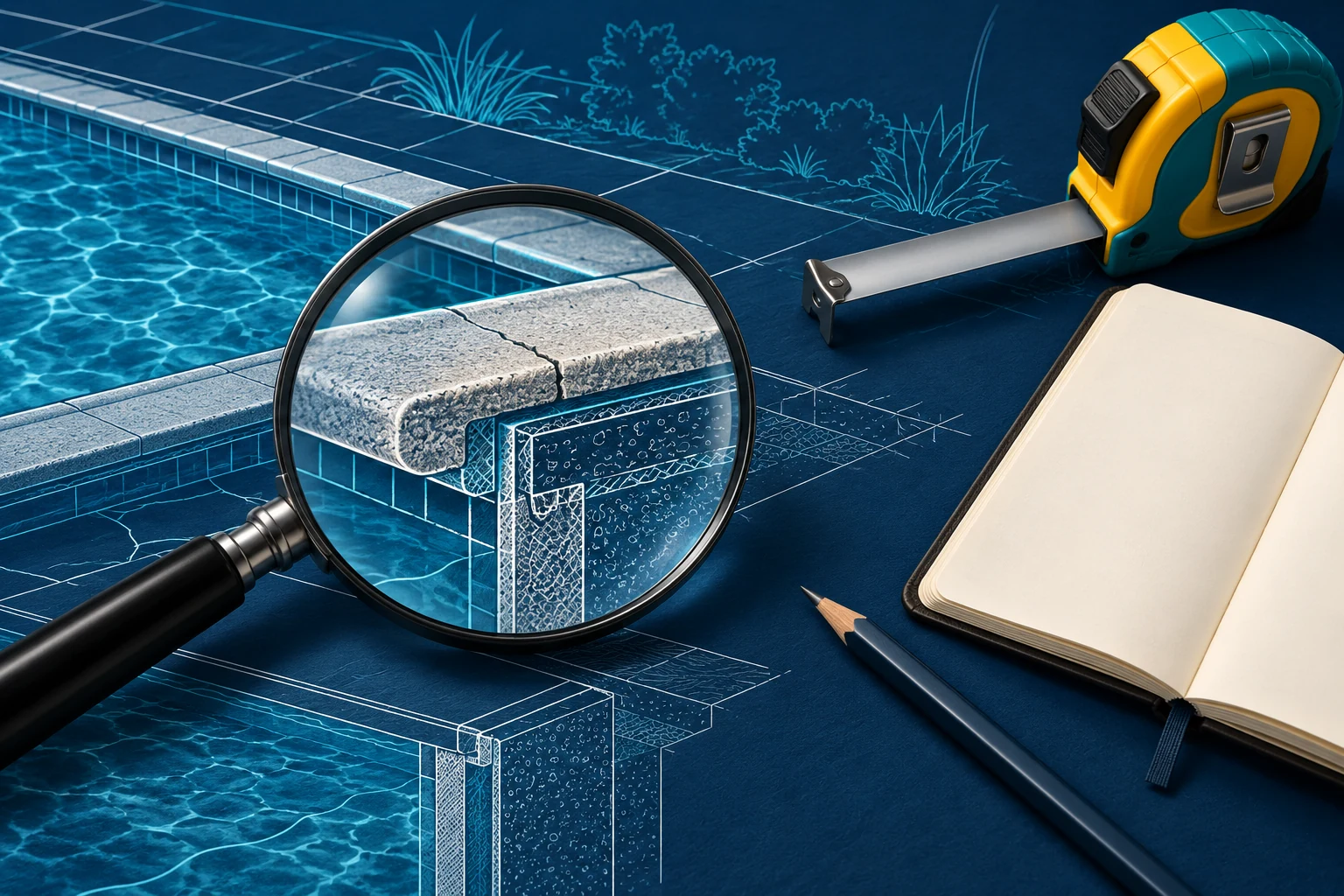
A clear path through complex details.
Assignment & conflict review
Identify the parties, location, deadlines, allegations, and specific questions to be addressed.
Document review
Review relevant plans, specifications, contracts, change orders, photographs, correspondence, and prior reports.
Site inspection & documentation
Observe accessible conditions, take measurements and photographs, and compare the work with the available record. Identify further testing or information needed.
Analysis & repair evaluation
Evaluate the observed conditions, construction practices, potential causes, and technically appropriate repair scope within the assignment.
Reporting & testimony
Communicate findings and their basis clearly for counsel, mediation, deposition, arbitration, or trial.
What is helpful to have ready.
The case
Project address, parties and counsel, jurisdiction, claimed defects, and important dates.
The documents
Plans, specifications, contracts, change orders, photographs, correspondence, and prior evaluations.
The assignment
The questions to be answered, expected deliverables, inspection access, and anticipated testimony needs.