
By Scott Cohen
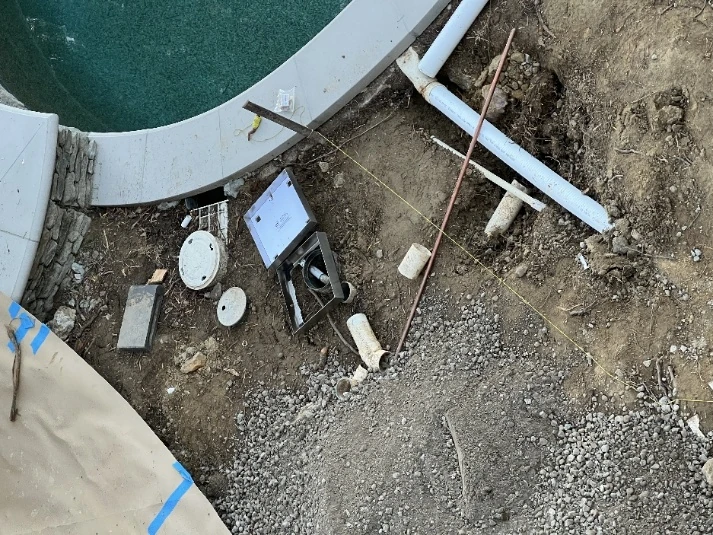
It starts with a general or masonry contractor unfamiliar with pool remodels removing the old concrete deck around a pool. New pavers go in. The backyard looks great. But in the process, the crew may have removed part of the pool’s electrical safety system. And once the pavers are down, you can’t tell by looking whether anyone put it back.
That’s why I tell homeowners to hire a licensed C-53 swimming pool contractor for a pool remodel rather than relying on a general contractor alone. A GC crew can do beautiful hardscape work and still miss a crucial step of the job.
Electrical bonding comes first
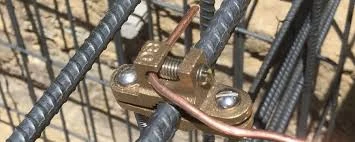
The reinforcing steel in a concrete pool deck may be part of the pool’s equipotential bonding system. Bonding helps reduce dangerous voltage differences between things a swimmer might touch at the same time, like the water and the wet deck as they climb out.
When the concrete and steel are hauled away, part of that system can go with them. Pavers don’t restore it. The pool contractor needs to identify the existing bonding before demolition and restore what the work disturbs. Depending on the locally adopted code and the surface, the approved detail could involve a No. 8 AWG bare solid copper conductor or a wider grid of copper or qualifying reinforcing steel. Don’t assume a single wire is enough under pavers. National Electrical Code § 680.26 amendment
Get the remodel permit and call for a deck inspection
When a pool remodel includes replacing the surrounding deck and disturbing its bonding, don’t treat it as a cosmetic patio job. Have your pool contractor confirm the local permit requirements before demolition, obtain the required pool remodel permit, and put the deck inspection on the schedule.
Here’s the sequence: restore the bonding, leave it exposed, and call for inspection. At the deck inspection, often called the pre-deck inspection, the inspector can see the rebuilt bonding system and check its connections before they’re covered. Don’t set the pavers or pour the new deck until the required inspection has passed. Confirm the timing and inspection requirements with your local building department before placing pavers or concrete.
This is a step general contractors unfamiliar with pool work can miss. A professional pool contractor plans for it from the start. Once the deck is in, finding out whether the bonding was done correctly may mean tearing into the new work.
Hire a pool contractor for the pool work
My recommendation: Hire a licensed C-53 swimming pool contractor to build or remodel your pool. Don’t rely on a general contractor working alone. If a general contractor is overseeing a larger backyard project, ask who’s actually doing the pool work. California’s Contractors State License Board explains when a B general building contractor can contract for pool work, including when they hold the pool specialty classification or hire a licensed pool specialty contractor.
Before the first slab comes out, ask: Who’s pulling the permit, and when is the deck inspection? If the answer is “We’re just laying pavers,” you haven’t gotten an answer.
On several of my expert case investigations, the contractor removed the old concrete deck and the rebar that reinforced the deck and provided the electrical bonding grid. Unaware they had compromised the bonding system, the crews set the pavers without a deck inspection. In those cases, correcting the problem meant lifting the pavers, reconnecting the bonding to the pool shell as required by the applicable code, getting the exposed work inspected, and then resetting the pavers.
Can the contractor be required to give the money back?
In California, a general contractor’s license does not automatically cover every pool remodel. If a contractor takes on a typical single-family pool remodel without the proper licensing for the work, the homeowner may be able to sue to recover all payments made under the affected contract. That’s called disgorgement. It’s a civil remedy under California Business and Professions Code § 7031(b), not an automatic refund from the Contractors State License Board.
Failing to restore the pool’s equipotential bonding is a separate issue. It can leave a serious shock hazard, and the homeowner may have a claim for the reasonable cost of correcting the work. A full refund plus repair costs is not automatic. Before the old deck comes out, verify who will do the pool work and check their C-53 swimming pool contractor license.
About Scott Cohen
Scott Cohen is a construction defect expert witness and a hands-on builder. A California Contractors State License Board Industry Expert since 2002, he investigates defects and provides expert testimony in disputes involving swimming pools, spas, landscaping, hardscape, and property line disputes. He holds California licenses in all three classifications: General Building (B), Swimming Pool (C-53), and Landscaping (C-27).
Cohen is president of The Green Scene Landscaping & Swimming Pools in Chatsworth, California. A popular speaker at pool and spa industry conferences, he uses real cases to show builders how to avoid costly mistakes. He has authored eight books, including The Candid Contractor with Eric Herman, contributes to Pool & Spa News, WaterShapes and AQUA, and co-authored the PHTA Builder’s Manual, 5th Edition.